



The Rise of AI in Logo Design
Artificial Intelligence has become an unstoppable force in the creative industry.
From smart design platforms like Looka, LogoAI, and Brandmark, to image generators such as Midjourney and DALL·E, AI now helps businesses create full brand identities in just a few clicks.
That’s convenient for clients — but concerning for designers who spend years honing their craft.
So the question naturally arises: should designers be worried?
AI as a Tool, Not a Threat
While AI can generate logos quickly, it doesn’t understand what it’s creating.
It identifies trends and patterns, but it doesn’t know the meaning behind them.
A designer builds a brand story, not just an image.
Logos created by humans carry intention — every line, color, and shape represents an idea and a feeling.
AI can copy aesthetics, but it can’t capture emotion or purpose.
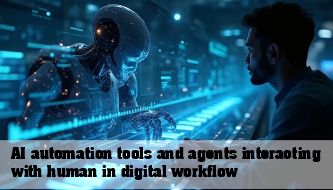
That’s why the smartest approach is to treat AI as an assistant, not a rival.
How Designers Can Use AI to Their Advantage
1. Kickstart Ideas
Let AI generate rough concepts to help you brainstorm faster.
2. Speed Up Workflows
Use AI for resizing, color palette suggestions, or quick variations.
3. Client Testing
Present AI-made drafts for feedback before refining the final concept yourself.
4. Expand Services
Offer AI-assisted designs for startups or budget-conscious clients while reserving your time for premium projects.
When used wisely, AI becomes a creative amplifier, not a replacement.
Where AI Still Falls Short
Despite its progress, AI can’t replace the human touch in design:
❌ It doesn’t understand culture, emotion, or storytelling.
❌ It can’t sense what makes a design memorable or timeless.
❌ It produces similar, trend-based results that often lack originality.
This is where designers shine — by creating meaning, not just graphics.
Why AI Will Not Replace Human Designers
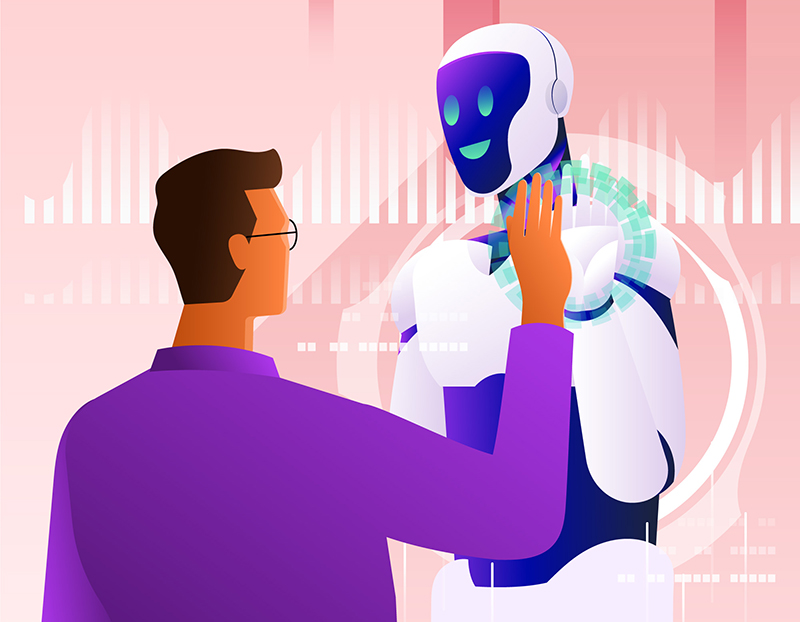
Let’s be clear: AI can design, but it cannot imagine.
It doesn’t feel the excitement of a new idea or the empathy behind a client’s vision.
AI may generate hundreds of logo variations, but it can’t answer questions like:
“Who is this brand speaking to?”
“What story do we want to tell?”
“What emotion should the audience feel?”
Only human designers can interpret personality, psychology, and storytelling through design.
That’s what turns a simple logo into a lasting brand identity.
Moreover, clients often don’t just buy a logo — they buy collaboration, understanding, and trust.
AI can’t replace the connection between designer and client — the process of discovery, creativity, and co-creation that builds real value.
So, instead of worrying, designers should embrace AI as an extension of their creative power.
Those who adapt and learn to collaborate with these tools will not only stay relevant but lead the next generation of design.
The Future of Logo Design
The design industry is evolving, but it’s not disappearing.
AI will automate tasks — not creativity.

The future of logo design will belong to hybrid designers:
creatives who combine artistic intuition with technological insight.
AI can draw the shapes, but humans define the meaning behind them.
That’s the real difference — and the reason designers will always matter.
Final Thoughts
AI in logo design is transforming the creative process — but not destroying it.
The best results will come when technology and human imagination work together.
AI can help you create faster.
But only you can create meaning.
Discover more from DesignRise
Subscribe to get the latest posts sent to your email.