


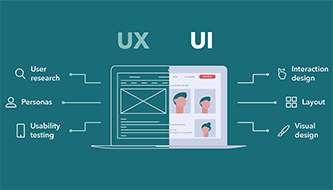
UX and UI were the final words in the field of web design and development. It seems that UX and UI changes will continue to play a role in web design.
Creativity is difficult to define precisely because it can encompass anything from an aesthetically pleasing image to something that meets specific requirements. In web design and user interface design, creativity can mean minimalism or attention to small details. It’s often about functionality, but beauty matters too.
In the world of design, creativity thrives on freedom. Trying to define it too narrowly can end up limiting what it’s meant to be — a space for innovation, imagination, and originality. That’s why, instead of boxing creativity in, it’s often more powerful to let it evolve naturally through exploration and experimentation.
Especially in UX and UI design, where trends shift rapidly and user expectations continue to grow, staying curious and open to new ideas is not just helpful — it’s essential. The more we explore, the more we push boundaries and create experiences that truly resonate.
You May Also Like:
- Milk and YOGURT packaging PSD MockUp
- How to Convert Your Figma Designs into Functional Web Apps Using Anima Playground
- Best 9 Figma Plugins for Designers
Smooth & Seamless Interfaces: A UX Trend That’s Here to Stay
In 2025, one design principle remains timeless — a clean, smooth interface that guides users effortlessly through digital experiences.
Expect to see more full-width landing pages featuring bold visuals, clear call-to-action buttons, and strategically placed text. This layout helps users find what they need faster, minimizing clicks and reducing the need for extra navigation layers.
Not only does it create a more intuitive user journey, but it also supports better accessibility and conversion rates — making it a win for both users and businesses.
Asymmetrical Grids: Breaking the Mold in Modern Web Design
Modern web design is evolving beyond the limitations of traditional symmetrical layouts. One of the rising trends in 2025 is the creative use of asymmetrical grids — layouts where visual balance is achieved through contrast and intentional irregularity, not perfect alignment.
Designers are now experimenting with non-linear structures, unexpected whitespace, and unconventional positioning of text and images. This not only grabs attention but also encourages users to explore the interface more actively, making the experience feel dynamic and fresh.
Used well, asymmetry can enhance storytelling, highlight key content, and reflect bold brand identities — all while maintaining usability and accessibility.
UI & UX with Purpose: Guiding Users with Minimal Effort
At the core of every great user interface (UI) and user experience (UX) lies a simple but powerful goal:
Help users achieve their objectives with as little friction as possible.
While UI often focuses on visual elements — like buttons, typography, and layout — its true purpose goes beyond aesthetics. It’s about designing an experience that not only looks great but also encourages meaningful user actions.
The best interfaces are intuitive and goal-driven. When crafted well, they don’t just look polished — they guide users smoothly toward completing tasks, exploring content, or making decisions with minimal effort.
The Master’s program in Interaction Design at IED Barcelona equips students with the tools and mindset to rethink how humans engage with technology. Rooted in research, innovation, and hands-on experimentation, the program encourages aspiring designers to develop solutions that can truly transform future digital communication and user experience.
The curriculum blends critical design thinking, emerging technologies, and modern business models — preparing students to confidently navigate the fast-changing landscape of UX/UI and web design. From conceptual strategy to real-world prototyping, graduates are trained to solve complex design challenges with creativity and precision.
Optimized animation and sound
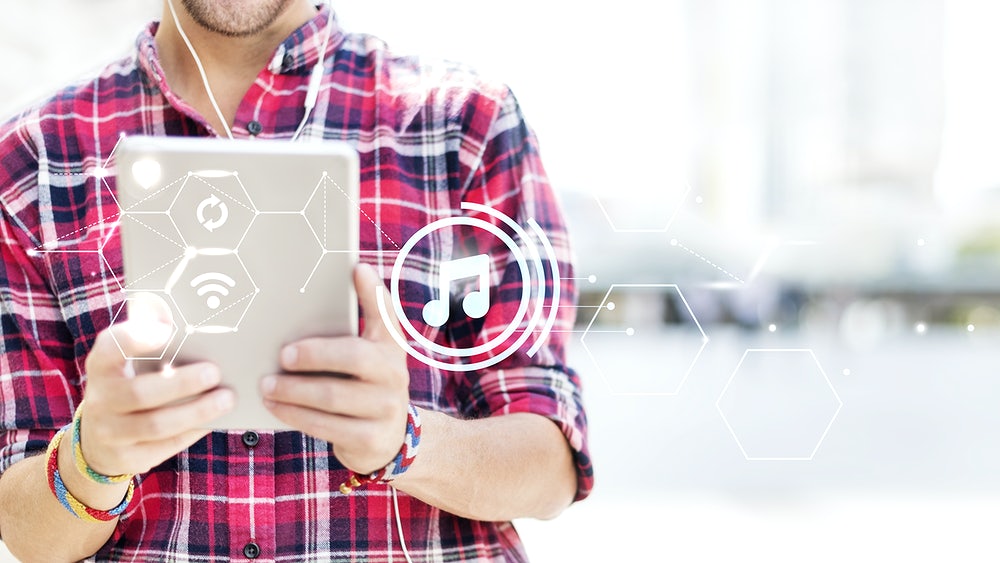
While animation can elevate a digital experience, poorly implemented motion often becomes more distracting than delightful. That’s why modern UX/UI trends are leaning toward refined, lightweight animations that enhance, rather than overwhelm, the interface.
Expect to see more purposeful motion elements like smooth sliders, responsive hover effects, and cinemagraphs — subtle details that bring energy and clarity without compromising usability or performance.
Collaborative Design: Bridging the Gap Between Designers and Developers
In parallel, sound design is emerging as a quiet hero in UX. When done right, gentle audio cues offer intuitive feedback for user actions — from subtle clicks to ambient transitions — making interactions feel more responsive and polished.
Modern web design is no longer a solo act. The future lies in collaborative design workflows where designers, developers, and engineers work together from day one to create seamless digital experiences.
This evolving synergy is leading to smarter, more efficient practices — from design-to-code reviews and shared open-source UI components, to coded design systems that live in the same environment as development.
By unifying tools and language across teams, collaborative design:
Speeds up iteration and testing
Reduces friction between design and development
Promotes scalable, consistent user interfaces
Makes UX optimization a shared responsibility
As this approach becomes more standardized, expect faster build cycles, better alignment across roles, and ultimately, more user-centered outcomes.

Card-Based Interfaces: A Return to Structured, Scannable UX
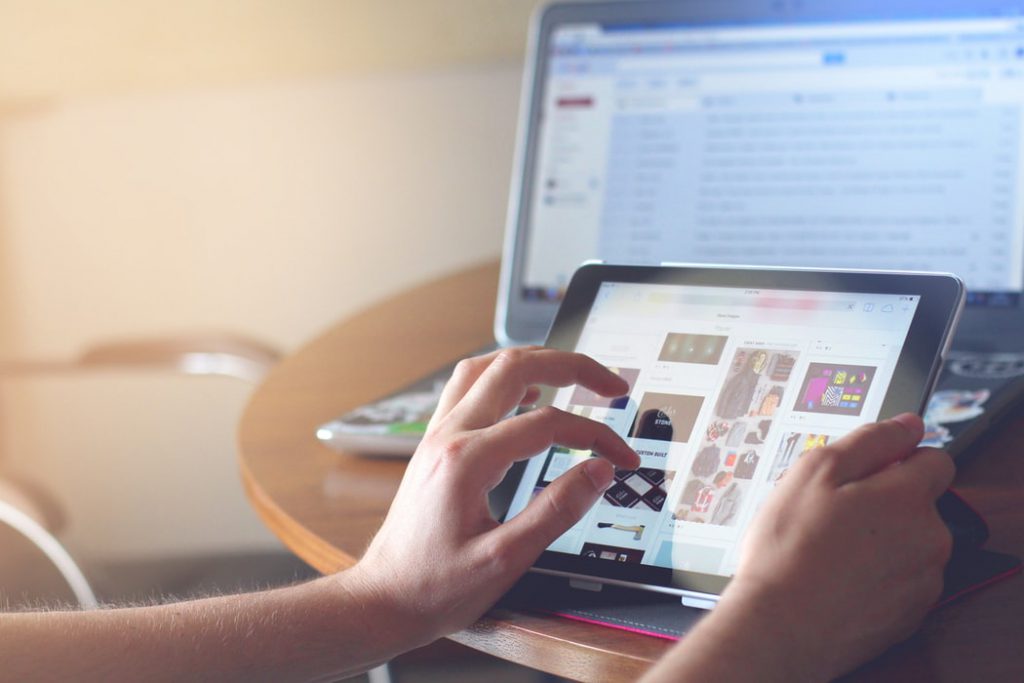
Card-based UI design is making a major comeback. Once popularized by platforms like Pinterest, cards are now gaining traction across e-commerce, news portals, and retail websites. Why? Because they’re highly effective at organizing large volumes of content into digestible, clickable pieces.
Cards act as entry points to deeper information, helping reduce homepage clutter while keeping users engaged. Their modular nature makes them perfect for responsive layouts and mobile-first experiences — which is exactly what modern web users expect.
Personalized Visuals & Gradients: Goodbye Stock Photos, Hello Identity
The days of generic stock images are numbered. Web design in 2025 is all about custom visuals that reflect brand identity and originality. Designers are turning to hand-drawn illustrations, branded photography, and user-generated content to create interfaces that feel more human, memorable, and authentic.
In parallel, flat solid colors are being replaced by gradient-rich palettes — soft transitions and layered hues that add depth, mood, and vibrancy to designs. These color approaches not only enhance visual storytelling but also align with modern UI aesthetics.
Leading Through Innovation: Designers Who Set the Trends
To stand out in a competitive landscape, today’s best UX/UI designers aren’t just following trends — they’re creating them. By embracing bold ideas like card-based structures, original graphic content, and dynamic color systems, you can shape the next generation of digital experiences.
True design leadership means experimenting, evolving, and constantly seeking better ways to connect users with purpose.
Discover more from DesignRise
Subscribe to get the latest posts sent to your email.


