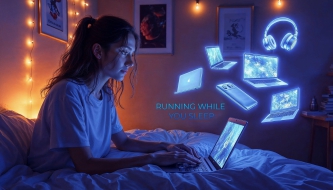


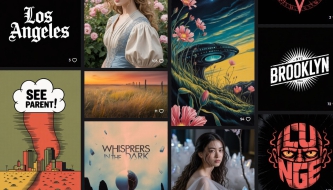
Discover the most advanced AI art tools that will shape the way designers create in 2026 — from photorealistic visuals to concept art and brand illustrations.
Why AI Art Tools Are Redefining Design in 2026
The AI revolution in design is moving fast. Tools that once produced simple digital sketches now deliver near-photorealistic art, perfect lighting, and dynamic composition.
For designers, these platforms are more than shortcuts — they’re creative partners. In 2026, AI art tools help you:
Generate production-ready visuals in seconds
Maintain consistent brand styles
Speed up brainstorming and concept creation
Explore unique aesthetics without extra cost or effort
Let’s explore the AI art generators that will dominate 2026 — powerful, creative, and designer-approved.
You May Also Like:
- Next-Gen SEO: Best AI Tools to Supercharge Your Content Strategy
- Top AI Photo Editing Tools Designers Can’t Live Without
- Most Helpful Productivity-Boosting AI Tools in 2026
1. Midjourney
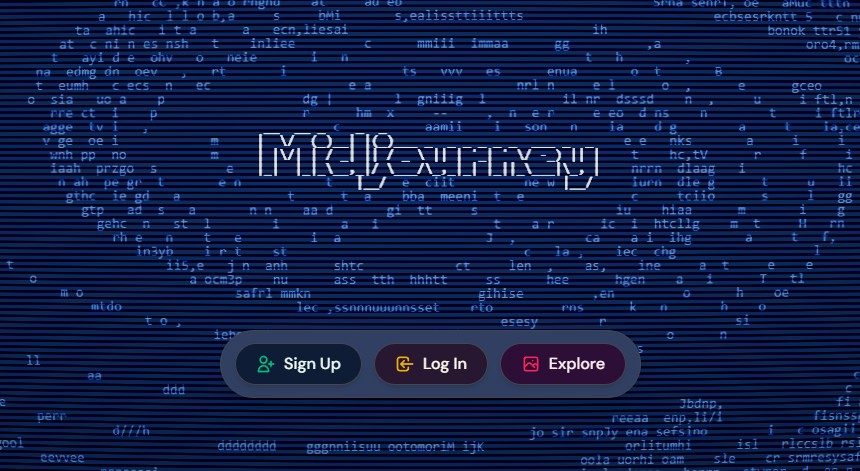
Still the gold standard for artistic imagery, Midjourney remains one of the most beloved tools among creatives. It produces cinematic visuals with deep texture, mood, and atmosphere — making it ideal for brand storytelling and concept design.
Best for: Concept artists, designers, illustrators
Key AI features: Text-to-image generation, style tuning, aspect ratio control, image upscaling
Platform: Discord
2. DALL·E 3 (by OpenAI)
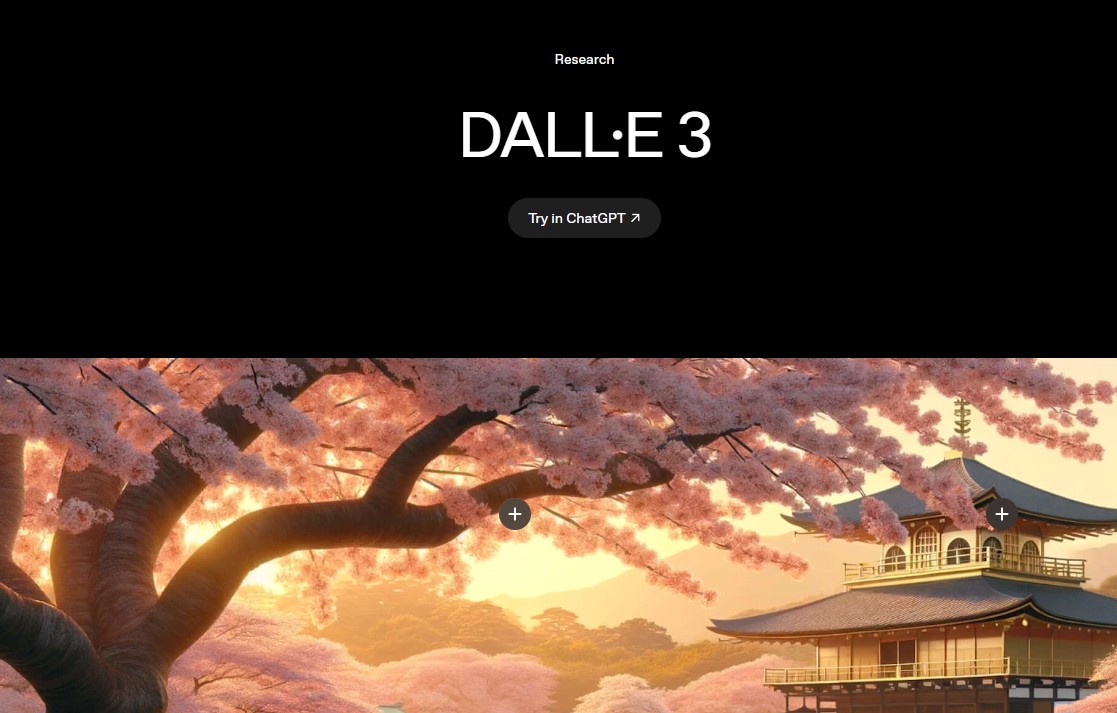
Integrated directly into ChatGPT and Microsoft Designer, DALL·E 3 is one of the most precise AI image generators available. Its understanding of prompts and ability to generate clean, realistic images make it perfect for design workflows.
Best for: Marketing and content designers
Key AI features: Prompt refinement, inpainting, text accuracy, ChatGPT integration
Platform: Web
3. MAI-Image-1 (Microsoft) (Emerging in 2026)
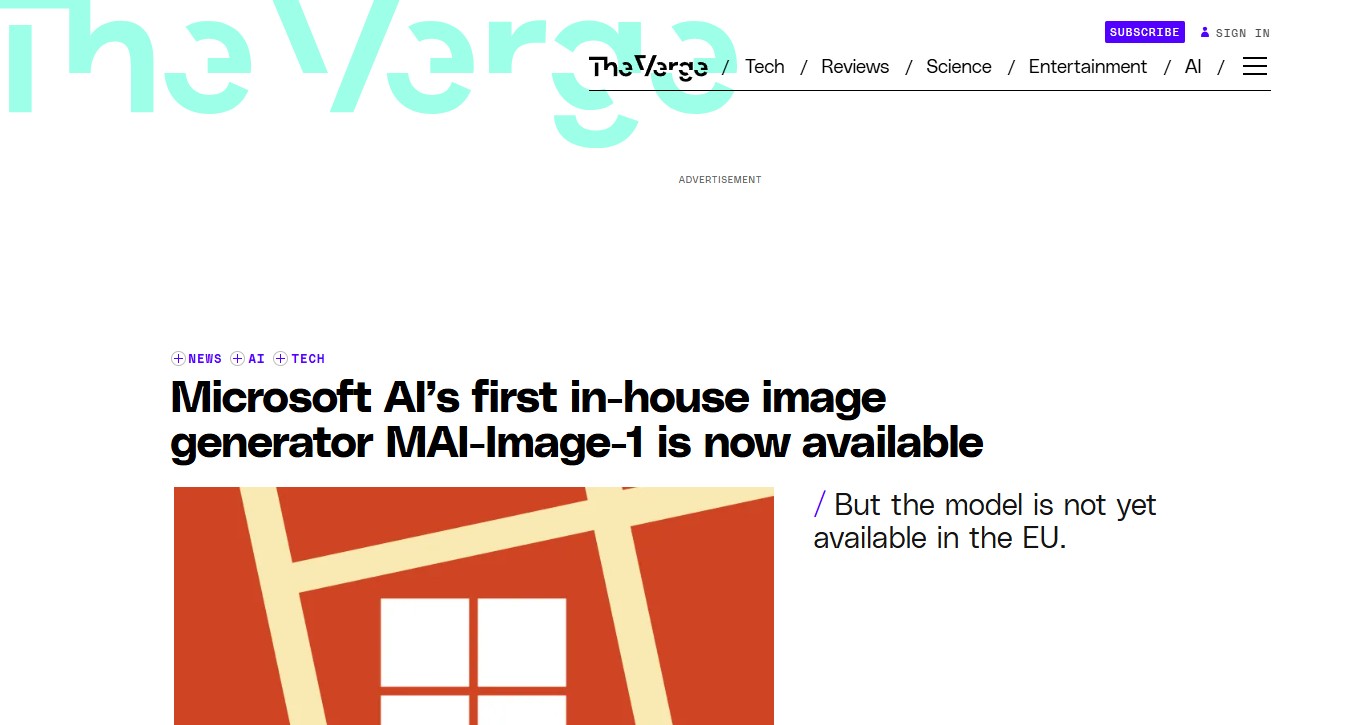
Microsoft’s new MAI-Image-1 model powers Bing Image Creator and Copilot Design features. Built for realism and light accuracy, it delivers high-quality renders directly inside the Microsoft ecosystem.
Best for: Designers using Microsoft Copilot or Windows-based tools
Key AI features: Realistic rendering, light & reflection control, smart prompt adaptation
Platform: Web / Microsoft Apps
4. Ideogram AI
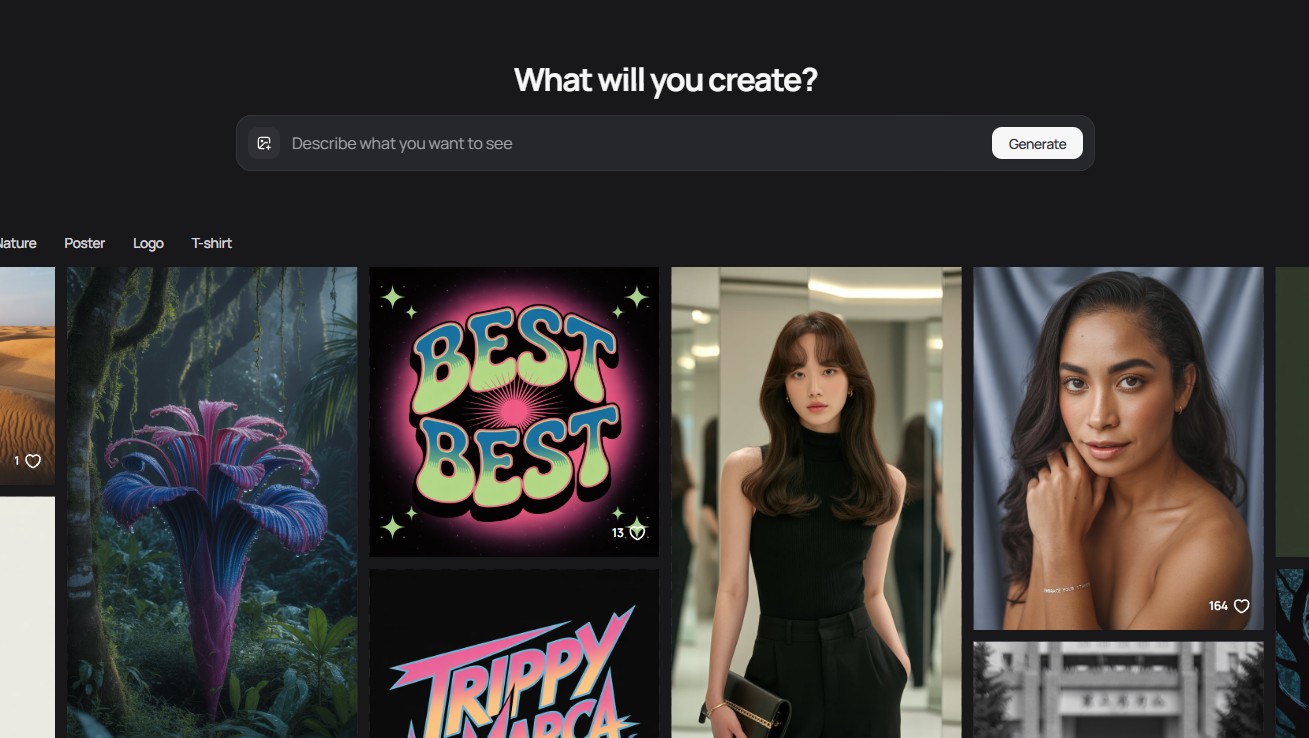
Ideogram AI has become a favorite for creatives who need readable text and branding in AI art. It’s the only model that can seamlessly integrate typography into generated visuals — a major win for marketing designers.
Best for: Brand, poster, and typography-driven designs
Key AI features: Text-to-image with readable words, logo and poster generation, style presets
Platform: Web
5. Leonardo AI
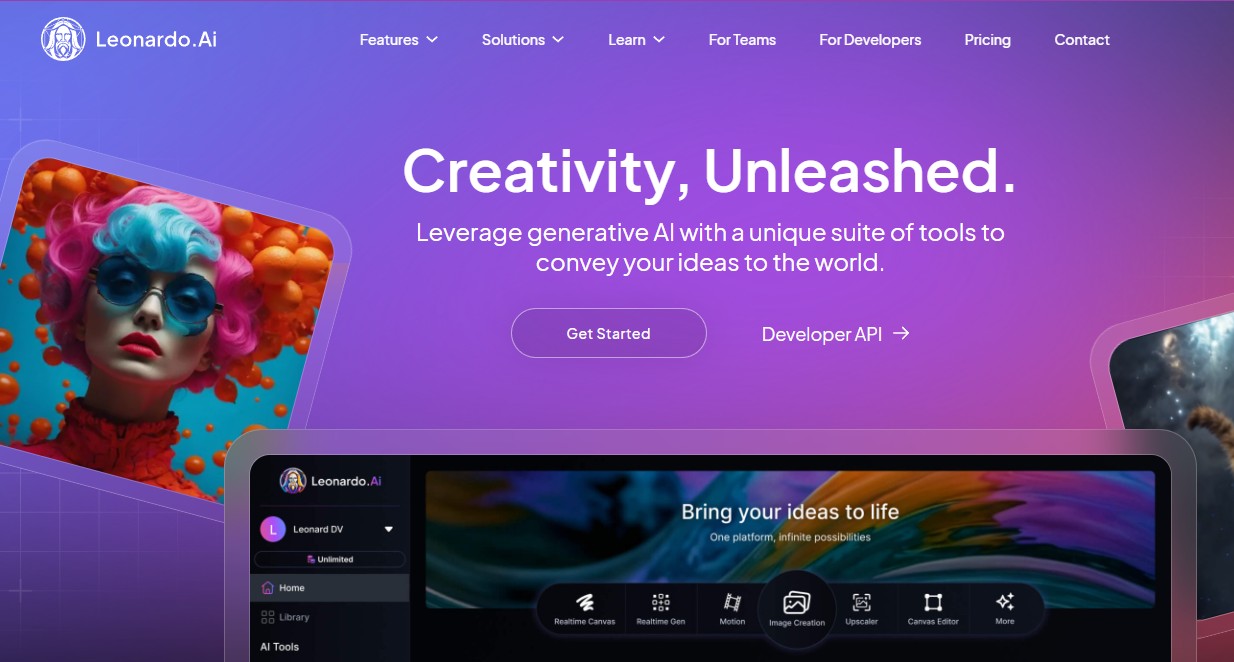
A go-to tool for game and product designers, Leonardo AI offers custom model training and consistent style generation. You can build your own model for branded visual identity or concept art.
Best for: Product, game, and environment designers
Key AI features: Custom model training, texture generation, real-time preview, creative styles
Platform: Web
6. Jeda AI (Emerging in 2026)
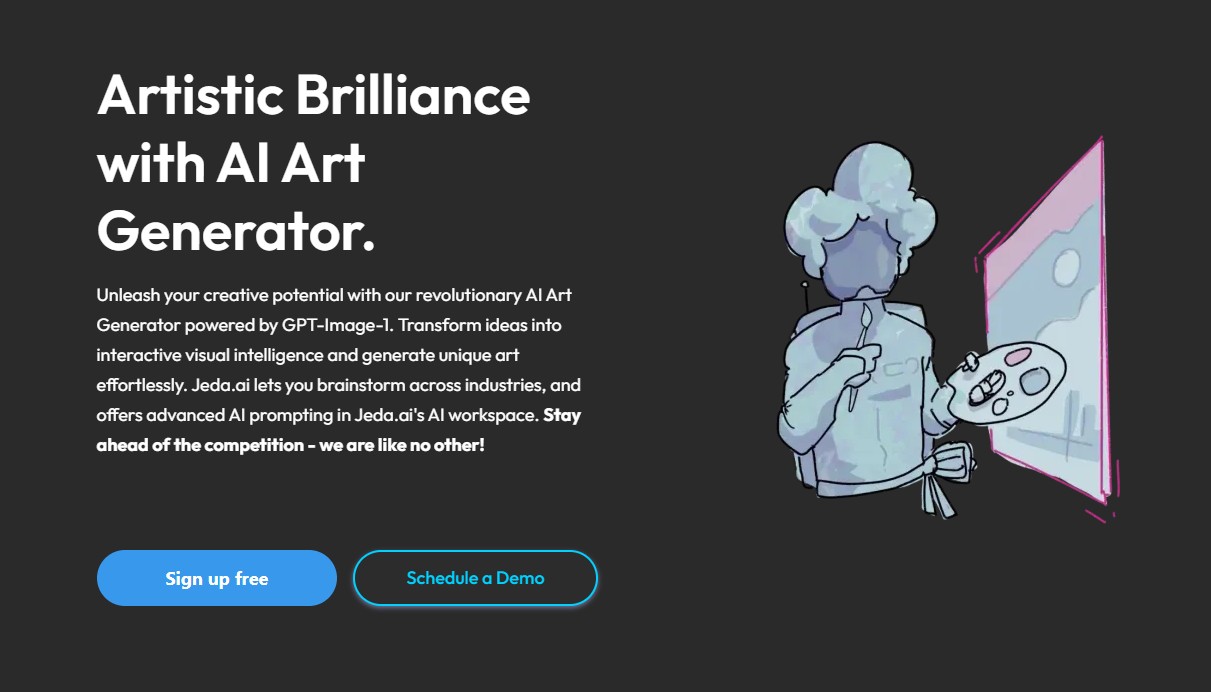
Jeda AI is a rising star with its “Art Recipes” system — a workspace for mixing prompts, references, and effects to create cohesive visual outputs. It’s a fun, interactive way to experiment with AI.
Best for: Creative studios and experimental artists
Key AI features: Prompt workspace, style recipes, visual collaboration
Platform: Web
7. Adobe Firefly
Adobe Firefly keeps growing in 2026 — now fully integrated into Photoshop, Illustrator, and Express. It allows designers to use AI directly within their daily creative environment.

Best for: Adobe users and professional designers
Key AI features: Generative fill, text-to-image, vector recoloring, smart background creation
Platform: Web / Creative Cloud
8. OpenArt (Rising 2026)
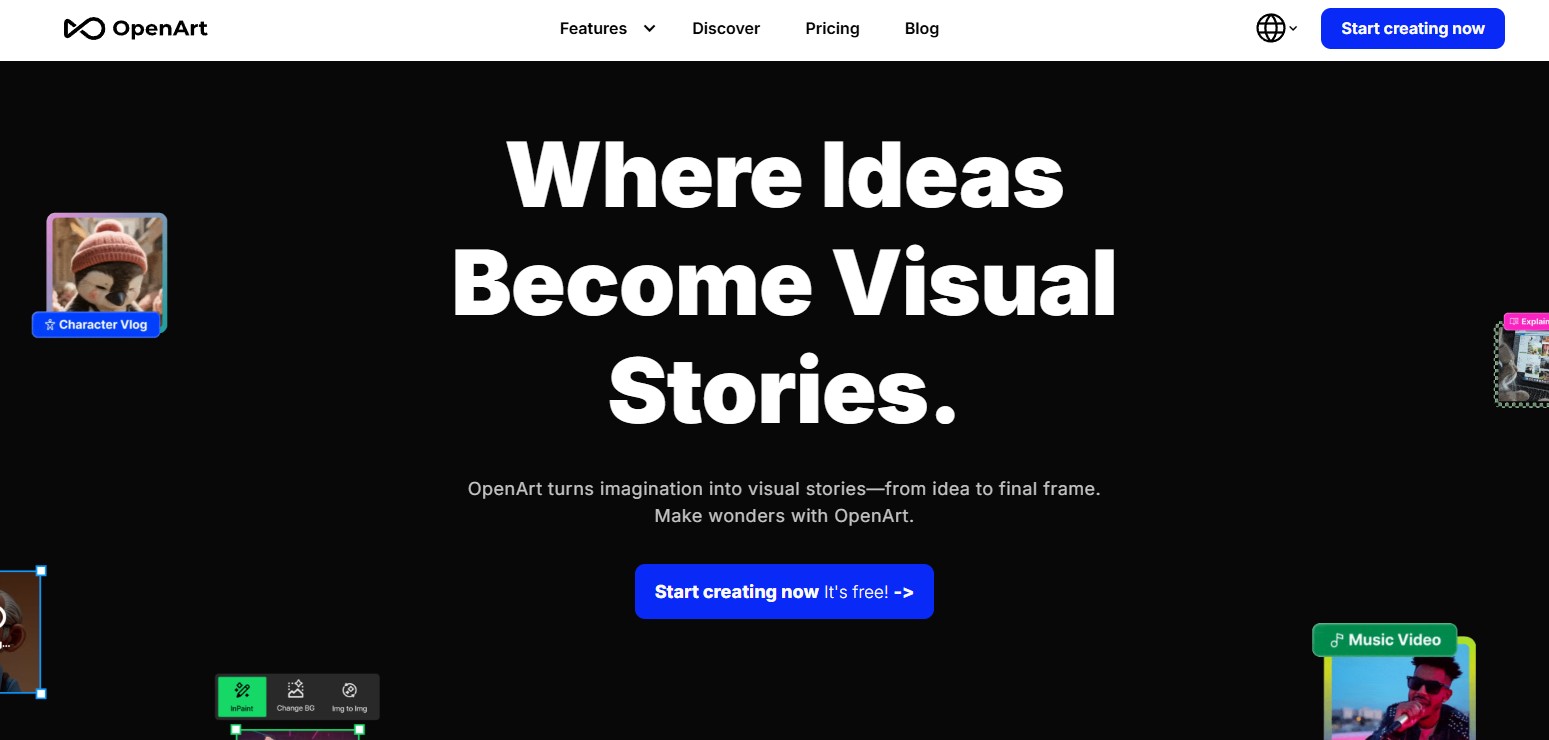
OpenArt provides open access to multiple AI models, including Stable Diffusion XL and custom fine-tuned models. It’s ideal for independent designers and educators looking for flexibility and experimentation.
Best for: Freelancers and AI art hobbyists
Key AI features: Custom model hub, style control, community prompts, high-res export
Platform: Web
9. ImagineArt
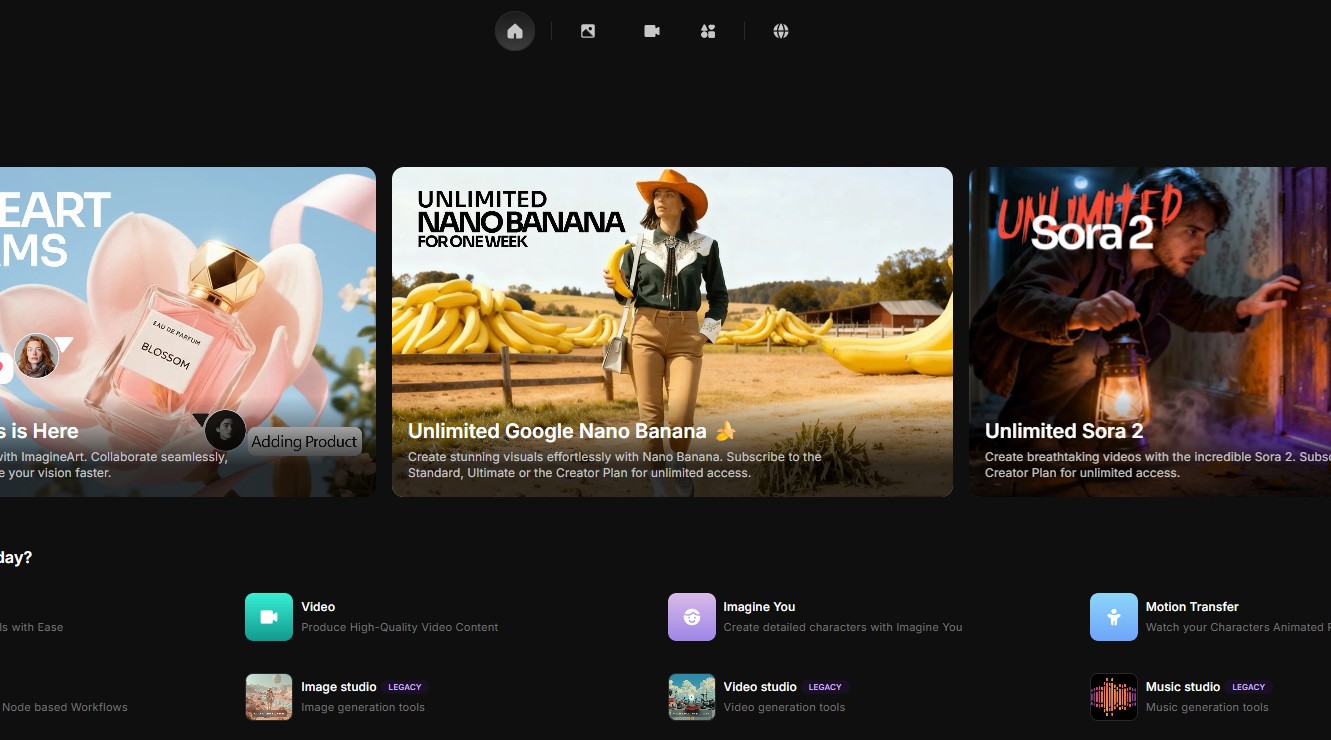
ImagineArt combines simplicity and power — offering high-definition image generation and even AI video capabilities. It’s a fast-growing favorite for digital marketers and multimedia designers.
Best for: Digital creatives and video designers
Key AI features: AI art & HD video generation, style blending, color harmonization
Platform: Web
10. Runway ML
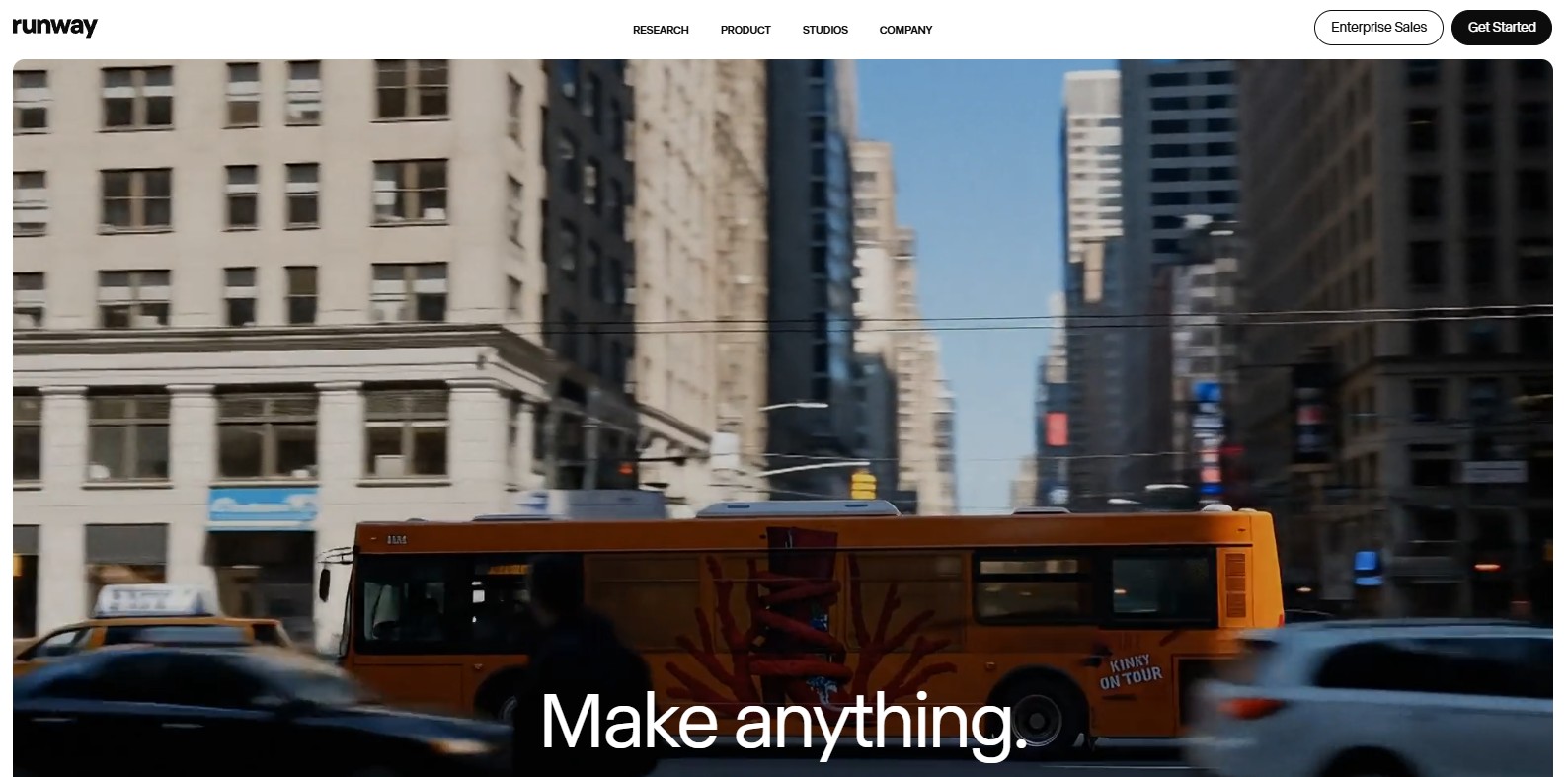
Still one of the best AI platforms for image and video generation, Runway ML continues to evolve with its Gen-3 model, making text-to-video generation even more realistic.
Best for: Motion and content designers
Key AI features: Text-to-video, inpainting, motion tracking, background removal
Platform: Web / App
How to Choose the Right AI Art Tool in 2026
When selecting your ideal AI tool, focus on:
🎨 Output quality — photorealism vs. stylized art
⚙️ Creative control — ability to fine-tune prompts and outputs
💼 Integration — whether it fits into your workflow (Adobe, Microsoft, etc.)
💰 Cost efficiency — some are open-source, others subscription-based
AI art creation is becoming as essential as Photoshop — the difference lies in choosing the tool that understands your creative voice.
Final Thoughts
In 2026, AI art generators are no longer “optional” tools — they’re integral to modern design workflows. Whether you’re building concepts, social media visuals, or 3D assets, these platforms give you a creative edge and more time to focus on storytelling.
Start experimenting today — the next big design breakthrough might come from your next AI prompt.
Discover more from DesignRise
Subscribe to get the latest posts sent to your email.