


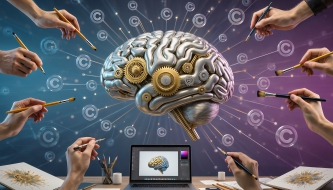
Who Owns AI-Generated Creativity? Inside the Growing Copyright Debate
As AI becomes a powerful creative partner for designers, filmmakers, musicians, and writers, one question gets louder every year: Who actually owns AI-generated work?
Is it the designer who typed the prompt?
The company who built the model?
Or the original artists whose work was used to train that model?
In this in-depth guide, we explore the rising global debate around AI copyright, why it matters for every creative professional, and where the legal landscape may be heading in 2026 and beyond.
You May Also Like:
- Best AI Mockup Tools & Generators for Designers
- The Best AI Art Generators & Tools for 2026
- Meet Nano Banana Pro — A New AI Creative Tool on Artlist AI
Why Copyright Matters in the Age of AI Creative Work
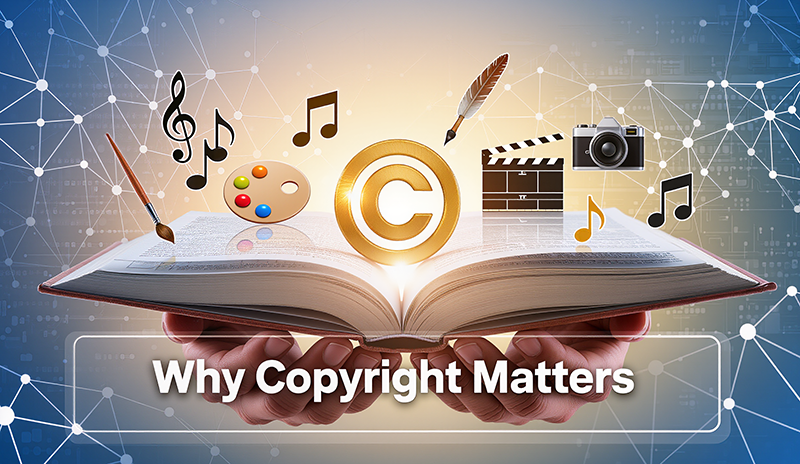
AI isn’t just a tool anymore — it’s an active collaborator. Designers now use AI for:
Image generation
Photo editing and enhancements
Video creation and animation
Concept art and branding ideas
Music, voice, and sound design
Scriptwriting and content creation
But when a machine contributes to the creative process, traditional copyright frameworks become blurred.
In most countries today, copyright requires human authorship. That means:
Purely AI-generated content cannot be copyrighted.
Human-guided content (prompts, editing, composition) may be copyrightable — but the rules are still unclear.
How AI Models Are Trained — and Why This Matters for Copyright
Generative AI models learn by analyzing massive datasets: images, artworks, audio recordings, scripts, and videos. These datasets often include copyrighted material — raising several key questions:
Did artists consent to using their work?
Many datasets were scraped from the internet without permission, causing artists to argue that
AI companies are profiting from their intellectual property.
Does training on copyrighted works count as “fair use”?
Some courts say yes. Others strongly disagree.
The lack of global consistency fuels ongoing disputes.
Who owns the output if the model was trained on millions of copyrighted works?
If thousands of artists indirectly shaped the model, should they receive compensation?
This is where the copyright conversation becomes extremely complex — and emotional.
The Core of the Debate — Who Should Get Paid?
The AI copyright debate revolves around one central issue: money and ownership.
1. Artists and Creators
They argue that AI models rely on their work to generate new content.
Therefore, they deserve:
attribution
licensing fees
revenue sharing
or the ability to opt out
2. AI Companies
Tech companies claim that training is transformative — not copying.
According to them, AI does not store or reproduce original works; it learns patterns.
3. Users and Designers
Designers want clarity:
Are they legally safe using AI?
Can they sell AI-generated work?
Can brands use AI-generated content commercially?
Without clear global legislation, designers often operate in a gray zone.
What Global Courts Decided (So Far)
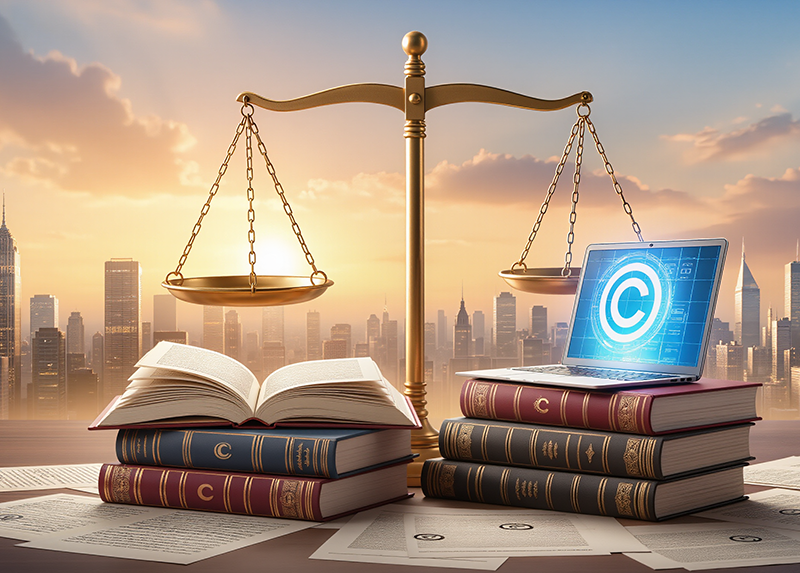
Legal systems are struggling to keep up. A few emerging trends:
Human input matters most
Courts lean toward granting copyright only when there is meaningful human authorship.
Prompts alone may not be enough — but editing, selection, and creative direction help.
Training datasets are under scrutiny
In some countries, training on copyrighted works without permission may become illegal.
This could force AI companies to license datasets or compensate artists.
AI output cannot infringe copyright
If AI recreates something too similar to an existing work, the user may be held liable — not the model.
What This Means for Designers in 2026
As a creative professional, you should understand the risks and opportunities:
1. Use AI as a creative assistant, not the sole author
Add your own artistic direction, editing, composition, and visual decisions.
2. Document your workflow
Keep evidence of how you shaped the final result.
3. Choose tools with transparent data policies
Platforms offering clean, licensed datasets will become the industry standard.
4. Expect “ethical AI labels”
By 2026, many brands will require proof that AI-generated content is ethically sourced.
5. Compensation systems are coming
Artists may soon receive royalties when their styles or training data are used.
The Future — Toward Shared Creativity
The copyright conversation isn’t about stopping AI.
It’s about building a fair system where technology and human artists can thrive together.
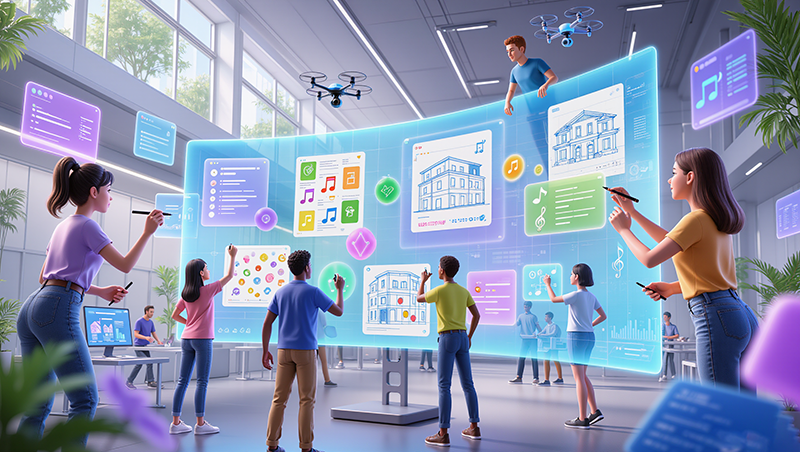
The future likely includes:
Transparent datasets
Opt-in/opt-out systems
Royalty models for creators
Clearer copyright laws
Hybrid human-AI authorship standards
More responsible, ethical AI creative tools
AI won’t replace artists — but it will force the world to rethink what creativity means.
Conclusion: We’re Entering a New Era of Creative Rights
The debate around AI and copyright won’t slow down anytime soon.
As AI Creative tools evolve, the conversation becomes more urgent, more emotional, and more important.
But one thing is clear:
Human creativity remains at the center.
AI is powerful, but it’s the human vision — the direction, intention, emotion, and purpose — that transforms tools into art.
Understanding the copyright landscape will help designers, brands, creators, and AI developers build a future where creativity is respected, shared, and fairly rewarded.
Discover more from DesignRise
Subscribe to get the latest posts sent to your email.